
Manufacturing equipment relies on magnets more than ever before. From automated assembly lines to positioning systems and electric motors, magnetic components help industrial machinery operate with speed and precision. However, not every magnet performs the same under industrial conditions. Choosing the wrong material can reduce efficiency, increase maintenance, and limit equipment performance over time.
This is why industries often compare industrial disc magnet solutions with ceramic disc magnet products when selecting materials for automation and manufacturing systems.
Understanding the Difference in Magnet Materials
Industrial magnets are available in several material types, each designed for different operating conditions. The biggest difference usually comes down to magnetic strength, temperature performance, durability, and cost.
Industrial disc magnets are often made from high-strength magnetic materials designed for demanding applications requiring compact performance and strong magnetic force.
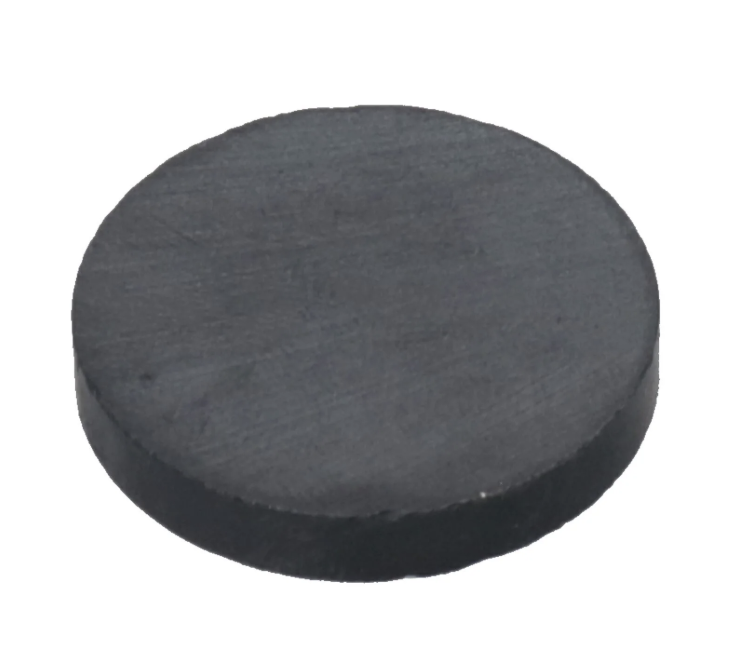
Ceramic disc magnets, also known as ferrite magnets, are produced using iron oxide-based ceramic compounds. These magnets are widely used because they are affordable, corrosion resistant, and stable during long-term operation.
The choice between the two depends largely on how the equipment is expected to perform.
Where Industrial Disc Magnets Perform Better
An industrial disc magnet is commonly selected when equipment requires stronger magnetic force within a limited space. Manufacturing systems using compact motors, sensors, and automated positioning equipment often depend on high-performance magnets to maintain operational accuracy.
These magnets are widely used in:
-
Robotic systems
-
Conveyor assemblies
-
Precision manufacturing equipment
-
Magnetic holding systems
-
Industrial automation devices
Because of their stronger magnetic output, industrial disc magnets allow manufacturers to design smaller and more efficient equipment without sacrificing performance.
They are especially valuable in modern automation environments where compact engineering has become increasingly important.
Why Ceramic Disc Magnets Remain Popular
Although ceramic magnets are not as powerful as some advanced magnetic materials, they continue to play an important role across industrial sectors.
One major reason is stability. Ceramic disc magnet resist corrosion naturally and perform reliably in environments involving moisture, dust, and moderate heat exposure.
Their affordability also makes them practical for large-scale manufacturing systems where extreme magnetic strength is not necessary.
Industries often use ceramic disc magnets in:
-
Small electric motors
-
Industrial sensors
-
Audio systems
-
Magnetic separators
-
General manufacturing equipment
Their long operational life and low maintenance requirements make them dependable for routine industrial applications.
Comparing Magnetic Strength
The most noticeable difference between these two magnet types is magnetic power.
Industrial disc magnets generally provide significantly stronger magnetic force compared to ceramic magnets of the same size. This allows equipment to operate more efficiently while reducing the need for larger magnetic assemblies.
Ceramic disc magnets provide moderate magnetic performance that is often sufficient for standard industrial tasks. However, applications requiring precise movement control or strong holding force usually benefit from more advanced magnetic materials.
The required performance level often determines which option becomes the better fit.
Performance Under Industrial Conditions
Industrial systems expose magnets to vibration, temperature changes, and continuous operational stress. Reliable magnetic performance becomes essential for maintaining equipment accuracy and production consistency.
Industrial disc magnets are designed for high-performance environments where precision and compact efficiency matter most.
Ceramic magnets perform better in situations where durability and environmental resistance are more important than maximum magnetic strength.
Many manufacturers choose ceramic magnets for systems expected to operate continuously with minimal maintenance requirements.
Cost and Long-Term Efficiency
Budget also influences material selection in manufacturing systems.
Ceramic disc magnets are generally more cost-effective, making them suitable for high-volume industrial equipment where moderate magnetic performance is acceptable.
Industrial disc magnets may involve higher material costs, but they often provide better efficiency, stronger output, and improved compact system design.
For many advanced automation systems, the added performance justifies the investment.
Selecting the Right Magnet for Manufacturing Systems
There is no universal solution for every industrial application. Systems requiring compact strength, precision control, and advanced automation typically benefit from industrial disc magnets.
Applications focused on affordability, durability, and stable long-term operation often perform well with ceramic disc magnets.
Manufacturers usually evaluate operating temperature, magnetic load, environmental conditions, and equipment size before selecting the most suitable magnet type.
Conclusion
Industrial disc magnets and ceramic disc magnets both play valuable roles in modern manufacturing and automation systems. Their differences in strength, cost, and operational performance allow industries to select materials based on the specific demands of the application.
As industrial technology continues advancing, choosing the correct magnetic material becomes increasingly important for efficiency and long-term reliability. Companies looking for engineered magnetic solutions for industrial applications can explore advanced products and material options at regmetals.com.