
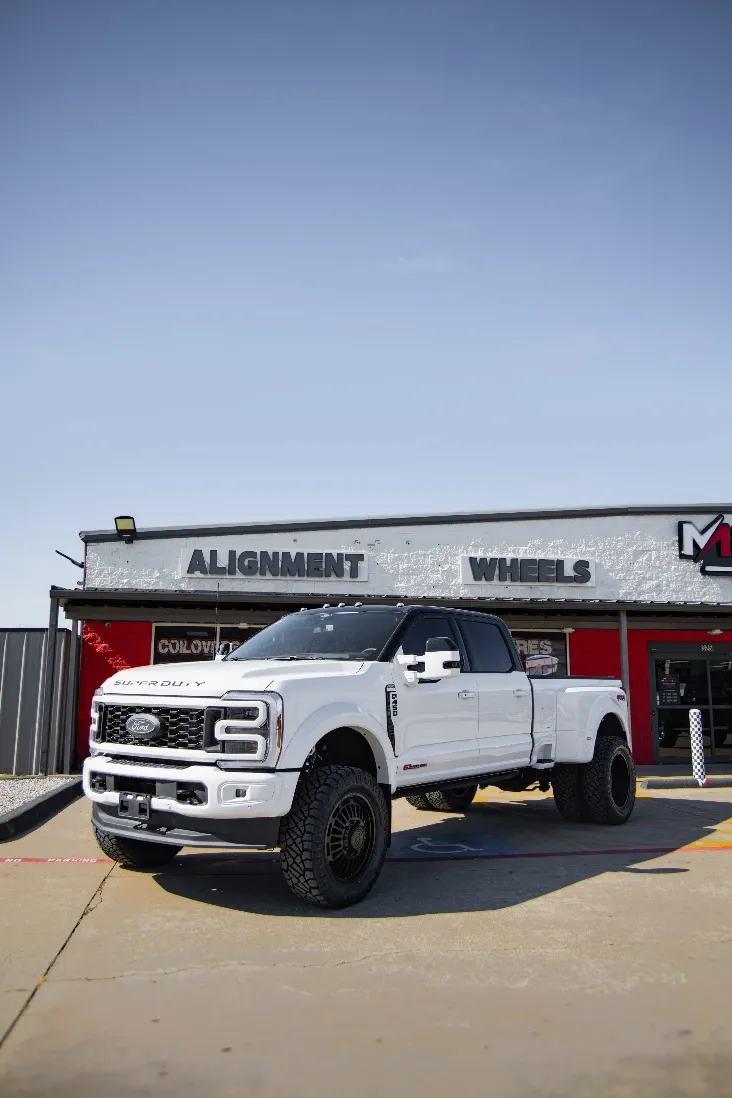
Browse online for lift kits Dallas Fort Worth drivers talk about and you will find plenty of loud opinions. Some are helpful, many are outdated and a few are flat wrong. Before spending a dollar on parts, it pays to separate folklore from fact. Here are the six myths that circulate most often.
Myth One: Taller Is Always Better
Height is the easiest number to brag about and the easiest to regret. Every extra inch raises the center of gravity, stresses steering parts and demands bigger tires to look balanced, so the true cost of a tall lift is always larger than the kit itself.
The smarter approach is matching lift height to real use. A modest lift handles commuting and dirt roads beautifully, while taller setups make sense only when you truly need the clearance and are prepared to maintain the extra hardware that comes with them. Honest planning saves both money and frustration.
Myth Two: A Lift Ruins the Ride
A harsh ride usually comes from bargain components, not from lifting itself. Quality shocks tuned to the new height keep the truck controlled over bumps and steady on the highway, even when the bed is loaded with tools, gear or a weekend of camping supplies.
Springs and shocks should be treated as a matched pair. When both suit your truck’s weight and typical load, the ride can stay surprisingly close to stock, and passengers may never notice the truck sits higher than it did last month. Quality parts paired with proper setup make the difference.
Myth Three: Leveling and Lifting Are Identical
Factory trucks often sit slightly lower in front than in back. A leveling kit raises the front end to remove that rake, creating a balanced stance and room for slightly larger tires, all without dramatically changing how the truck drives or how high you climb in.
A true lift raises the truck far higher and involves more parts. It costs more, so choosing between the two comes down to your goals, your budget and the look you want when you walk across the parking lot and glance back at your truck. Neither choice is wrong when it fits your plans.
Myth Four: Any Tire Will Fit Afterward
Taller tires need room in the wheel wells, and wider ones can rub when you turn. Measurements matter, and guessing usually ends with scraped plastic, noisy corners and a second trip to the shop that could have been avoided with a simple measurement.
Larger tires also change your speedometer reading and can affect braking feel and fuel use. A good installer plans wheels, tires and lift as one package and recalibrates where needed, so numbers on the dash still reflect how fast you are actually moving. Simple preparation prevents most of these headaches.
Myth Five: Installation Is a Simple Driveway Job
Lift kits involve heavy springs, tight bolts and exact torque specifications. A small mistake, like an under-tightened fastener, can become a safety problem miles down the road, usually at the worst moment, such as merging at highway speed with a loaded trailer.
Alignment afterward is not optional either. New geometry changes how the tires meet the pavement, and skipping this step quickly eats expensive tread and leaves steering feeling vague, wandering and tiring to manage on long stretches of straight interstate. Skilled technicians know exactly where mistakes tend to hide.
Myth Six: Lifted Trucks Are Only for Show
Looks matter, but the practical benefits are real. Extra ground clearance helps on gravel, flooded dips and rutted ranch roads, and it opens the door to tires that grip better off pavement, making weekend trips more comfortable and less stressful for everyone aboard.
Plenty of owners lift for work sites, hunting trips and camping runs. The key is planning the build around how the truck is actually used, not copying a photo you saw once, because the best lift is the one that quietly fits your life. Purpose should always lead the parts list.
Facts Make Better Builds
Once the myths fade, the process becomes simple: pick a sensible height, choose matched components, plan the tires and finish with alignment. Each step protects both your budget and your safety, and each one is easier when you understand why it exists.
If you want a second opinion before buying parts, the team at Metroplex Customs can walk you through the options and quote the whole job, from kit to alignment, so you can compare real numbers instead of guesses and make a calm decision.