
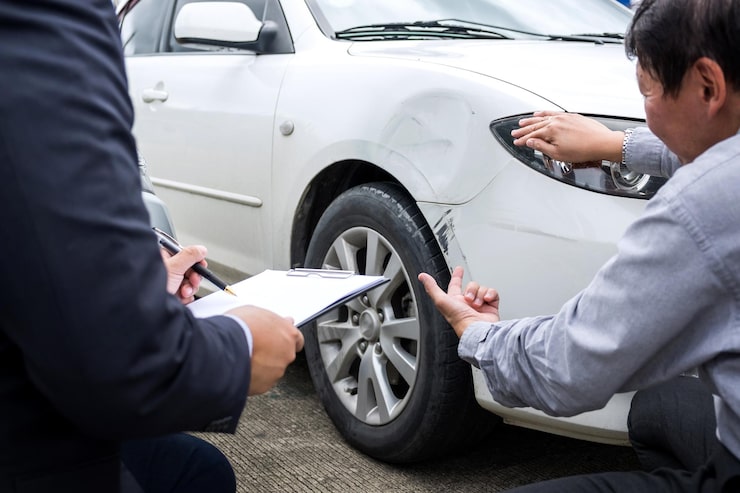
A minor collision in a parking lot can quickly turn into an expensive surprise when repair estimates arrive. The Rear Bumper Repair Cost Guide helps drivers understand what they are really paying for and why prices vary so widely. One of the most useful tools in this process is a damage repair calculator, which provides an instant estimate based on severity, materials, and labor rates. This article breaks down how rear bumper repair costs are calculated, what influences pricing, and how you can make informed decisions before approving any work. By the end, you’ll have a clear framework for evaluating repair quotes confidently.
Understanding Rear Bumper Repair Cost Estimates and Damage Repair Calculator Tools
Rear bumper repair pricing is rarely straightforward because it depends on multiple technical and labor-related variables. A damage repair calculator simplifies this by estimating costs based on input factors like vehicle make, bumper material, and impact severity. These tools are widely used by workshops and insurers to generate quick preliminary figures.
How estimation tools work
They combine historical repair data with standard labor rates to produce a realistic range.
Why accuracy varies
Regional labor costs, hidden structural damage, and sensor integration can all shift final pricing. While not perfect, these tools provide a strong starting point for negotiations and budgeting, especially when dealing with insurance claims or accident reports.
Common Types of Rear Bumper Damage and Repair Costs Breakdown
The type of damage plays a central role in determining the final repair bill. Small scratches and dents are far less expensive to fix than cracks or full structural replacements.
Surface scratches and scuffs
These are typically cosmetic issues that require sanding, polishing, or repainting. Costs remain relatively low and often fall under minor repair categories.
Dents and deformation
Moderate impacts may require reshaping the bumper using heat or specialized tools. Labor time increases, raising overall expenses.
Cracks and structural damage
Severe damage often requires bumper section replacement. Modern vehicles with sensors or cameras may also need recalibration, further increasing costs. Each damage category directly influences estimates generated by a damage repair calculator.
Factors That Influence Rear Bumper Repair Cost Calculations
Several hidden and visible factors determine the final repair cost beyond just the damage itself. Understanding these helps avoid unexpected charges.
Vehicle make and model
Luxury and imported vehicles often require specialized parts, increasing both labor and material costs.
Bumper material type
Plastic bumpers are easier and cheaper to repair compared to reinforced composites or aluminum-based designs.
Labor rates and workshop location
Urban repair centers typically charge higher hourly rates than smaller towns due to overhead costs.
Advanced safety systems
Modern bumpers often house parking sensors, radar systems, or cameras. Any repair involving these systems requires recalibration, adding significant expense to the final bill.
How a Damage Repair Calculator Improves Cost Transparency and Decision-Making
A damage repair calculator is not just a pricing tool—it is a transparency mechanism that helps car owners make informed decisions. By entering key details, users receive an estimated cost range before visiting a workshop.
Better budgeting accuracy
Drivers can plan expenses in advance instead of reacting to surprise quotes.
Improved insurance discussions
Having an estimated figure strengthens negotiations with insurance companies and reduces disputes.
Workshop comparison advantage
Customers can compare multiple service providers using a standardized baseline estimate.
Although not a substitute for professional inspection, these calculators significantly reduce uncertainty in early decision-making stages and help prevent overcharging or unclear billing practices.
Repair vs Replacement: Making the Right Financial Decision
Choosing between repairing and replacing a rear bumper depends on both cost efficiency and safety considerations. A structured evaluation helps avoid unnecessary spending.
When repair is sufficient
Minor scratches, small dents, or isolated cosmetic damage can usually be repaired affordably without compromising safety.
When replacement is necessary
Deep cracks, mounting damage, or sensor failure often require full replacement to ensure structural integrity.
Cost comparison insight
In many cases, a damage repair calculator shows that repair is 40–60% cheaper than replacement, but only if internal components remain unaffected. The final decision should balance cost, vehicle value, and long-term reliability rather than focusing solely on upfront pricing.
Conclusion
Understanding rear bumper repair pricing is essential for making informed automotive decisions, especially after unexpected accidents. The Rear Bumper Repair Cost Guide highlights how damage type, vehicle specifications, and labor rates influence final expenses. Tools like a damage repair calculator further improve clarity by offering early-stage cost estimates that support budgeting and insurance discussions. Ultimately, the choice between repair and replacement should be based on both financial logic and safety considerations. Before approving any work, drivers should always compare estimates, evaluate damage thoroughly, and ask for transparent breakdowns to ensure fair and accurate pricing.