
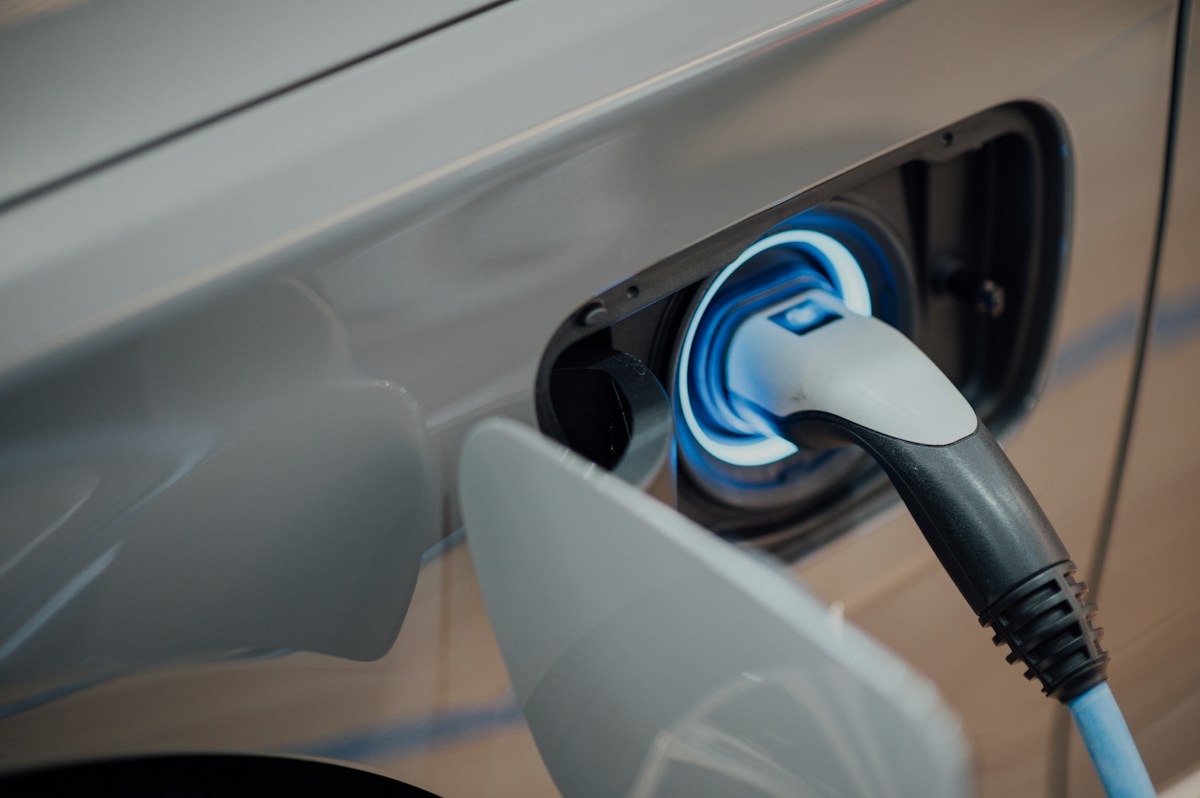
The rapid growth of electric vehicles (EVs) has transformed the automotive industry, making sustainable transportation more accessible than ever. Whether you’re a new EV owner or considering purchasing an electric vehicle, understanding EV cables and chargers is essential for efficient charging and a seamless driving experience. This guide covers everything you need to know about EV charging cables, charger types, and how to choose the right charging solution for your needs.
Understanding EV Charging Cables
EV charging cables are the connection between your electric vehicle and the power source. These cables transfer electricity from the charger to your vehicle’s battery, making them a critical component of the charging process.
Different EV models use specific connector types depending on the region and manufacturer. In Europe and many other markets, Type 2 connectors are the standard for AC charging, while CCS (Combined Charging System) connectors are commonly used for DC fast charging. Some older models may use Type 1 connectors, while certain manufacturers have their own proprietary charging solutions.
When selecting an EV charging cable, it’s important to consider cable length, charging speed compatibility, and durability. A high-quality cable ensures safe and reliable charging while providing flexibility for different parking situations.
Types of EV Chargers
EV chargers are generally categorized into three levels based on charging speed and power output.
Level 1 Chargers
Level 1 chargers use a standard household power outlet and are often included with the vehicle. They provide a slow charging rate, making them suitable for overnight charging or drivers with low daily mileage. While convenient, Level 1 charging may take several hours or even days to fully charge larger battery packs.
Level 2 Chargers
Level 2 chargers are the most popular choice for home and workplace charging. They require a dedicated electrical circuit and provide significantly faster charging compared to Level 1 chargers. Most EV owners install a Level 2 charger at home to reduce charging times and improve convenience.
DC Fast Chargers
DC fast chargers deliver high-power charging directly to the vehicle’s battery, allowing EVs to recharge much faster. These chargers are commonly found at public charging stations, highways, and commercial locations. Depending on the vehicle and charger capacity, a significant portion of the battery can be recharged within 20 to 60 minutes.
Choosing the Right EV Charger
Selecting the right EV charger depends on several factors, including your driving habits, vehicle compatibility, and budget.
For most homeowners, a Level 2 charger offers the ideal balance between cost and charging speed. If you frequently travel long distances, access to public DC fast charging networks can help minimize charging downtime.
When evaluating chargers, consider features such as smart connectivity, scheduling options, energy monitoring, weather resistance, and warranty coverage. Smart chargers can help optimize electricity usage and reduce charging costs by allowing charging during off-peak hours.
EV Charging Safety Tips
Safety should always be a priority when charging an electric vehicle. Use certified charging equipment from reputable manufacturers and regularly inspect cables for signs of wear or damage. Avoid using extension cords unless specifically approved for EV charging.
Keep charging connectors clean and dry, and follow the manufacturer’s recommendations for installation and operation. Professional installation is highly recommended for Level 2 home charging stations to ensure compliance with local electrical codes.
The Future of EV Charging
As electric vehicle adoption continues to increase, charging technology is evolving rapidly. Innovations such as ultra-fast charging, bidirectional charging, wireless charging systems, and expanded public charging infrastructure are making EV ownership more convenient than ever.
Understanding EV cables and chargers helps owners maximize charging efficiency, protect their vehicle’s battery, and enjoy a smoother ownership experience. By choosing the right charging equipment and following best practices, EV drivers can confidently embrace the future of sustainable transportation.